
The Lost Medicine of Tranquillity: Why Content Hearts Build Healthier Lives
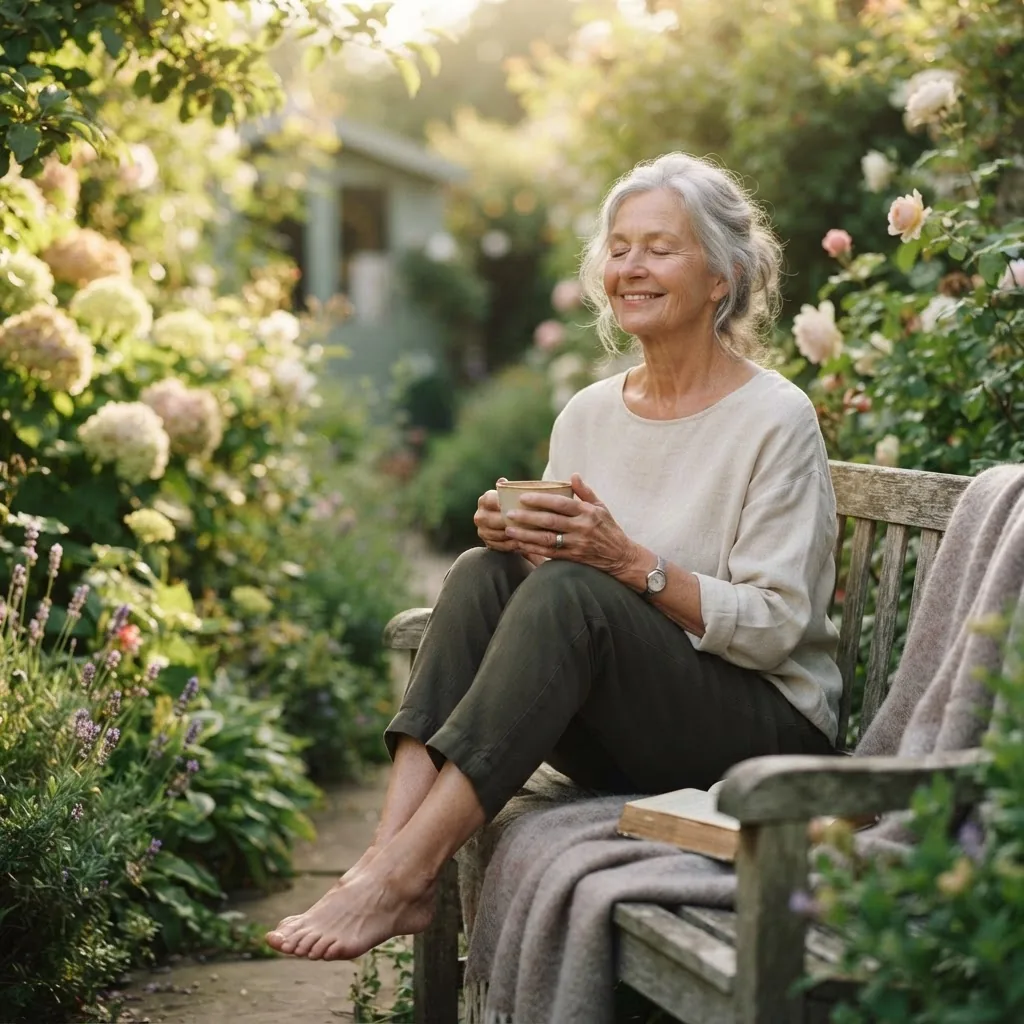
One of the most profound concepts in the Islamic tradition is riḍā, a serene acceptance of Allah's decree. This is not passive resignation or giving up. Rather, it is a deep inner confidence that whatever Allah wills carries wisdom, even when we cannot immediately understand it. This quality was once one of the defining characteristics of Muslim communities. Mosques were places of tranquillity, mercy and reassurance, offering refuge from the pressures and distractions of everyday life.
Today, many communities appear to have lost some of this serenity. Instead of confidence, there is agitation. Instead of mercy, there can be judgement. Instead of welcoming those who are struggling, communities sometimes make them feel that they do not belong. This reflects not simply a social problem, but a weakening of our understanding of tawḥīd. True belief in Allah's oneness means recognising that everything unfolds according to His wisdom, power and perfect knowledge.
This perspective has important implications for health. Chronic stress is now recognised as a major contributor to hypertension, poor sleep, depression, metabolic disease and unhealthy behaviours. People under constant stress often seek comfort in overeating, inactivity or other harmful coping mechanisms. A heart that lacks tranquillity can influence the body just as profoundly as an unhealthy diet. In contrast, inner contentment strengthens resilience, improves emotional regulation and helps people make wiser long-term decisions.
The Qur'an repeatedly illustrates this principle through the lives of the Prophets. Prophet Yūsuf (Joseph) endured betrayal, slavery and imprisonment without losing hope or becoming bitter. Prophet Ayyūb (Job) responded to prolonged illness and hardship with patience and trust rather than resentment. The Prophet Muḥammad ﷺ experienced bereavement, persecution and immense personal difficulty, yet remained the embodiment of dignity, mercy and reliance upon Allah. Their lives remind us that resilience is not the absence of hardship. It is steadfastness in the midst of hardship.
An equally important lesson is how we treat others. When people are already struggling, harshness rarely brings them closer to faith or healthier living. A judgemental environment often alienates those who most need support. The Prophetic model is one of compassion, gentleness and gradual guidance. Mosques and community spaces should be places where people experience calm, belonging and hope, rather than fear of criticism or rejection.
Interestingly, this aligns closely with behavioural science. Sustainable behaviour change is rarely driven by guilt or shame. Lasting change grows through purpose, hope, supportive relationships and a sense of belonging. When people feel psychologically safe, they are far more likely to adopt healthy habits, seek help when needed and persevere through setbacks.
At The Reality of Health & Wellbeing, we believe that lasting health requires attention to both the outer life and the inner life. Healthy eating, regular movement and restorative sleep remain essential, but they are strengthened by intention, gratitude, patience, trust in Allah and a tranquil heart. These qualities build the emotional resilience needed to sustain healthy habits throughout life. While modern medicine increasingly recognises the effects of chronic stress on physical health, Islamic wisdom has always recognised the central role of the heart in shaping human wellbeing.
The challenge for our communities is not simply to teach healthier lifestyles, but to cultivate environments that nurture tranquillity. We need mosques and community spaces that welcome people with mercy, encourage gradual growth instead of perfectionism and remind every individual that each sincere step towards Allah is precious. In doing so, we can help build not only healthier individuals, but also stronger families, more compassionate communities and a healthier society.
Health Reflection
Perhaps one of the most important health questions we can ask ourselves is not:
"What should I eat?"
Perhaps the deeper question is:
"Is my heart at peace with Allah?"
When the heart finds tranquillity, healthy choices often become far easier to sustain.