
The Forgotten Measure of Greatness
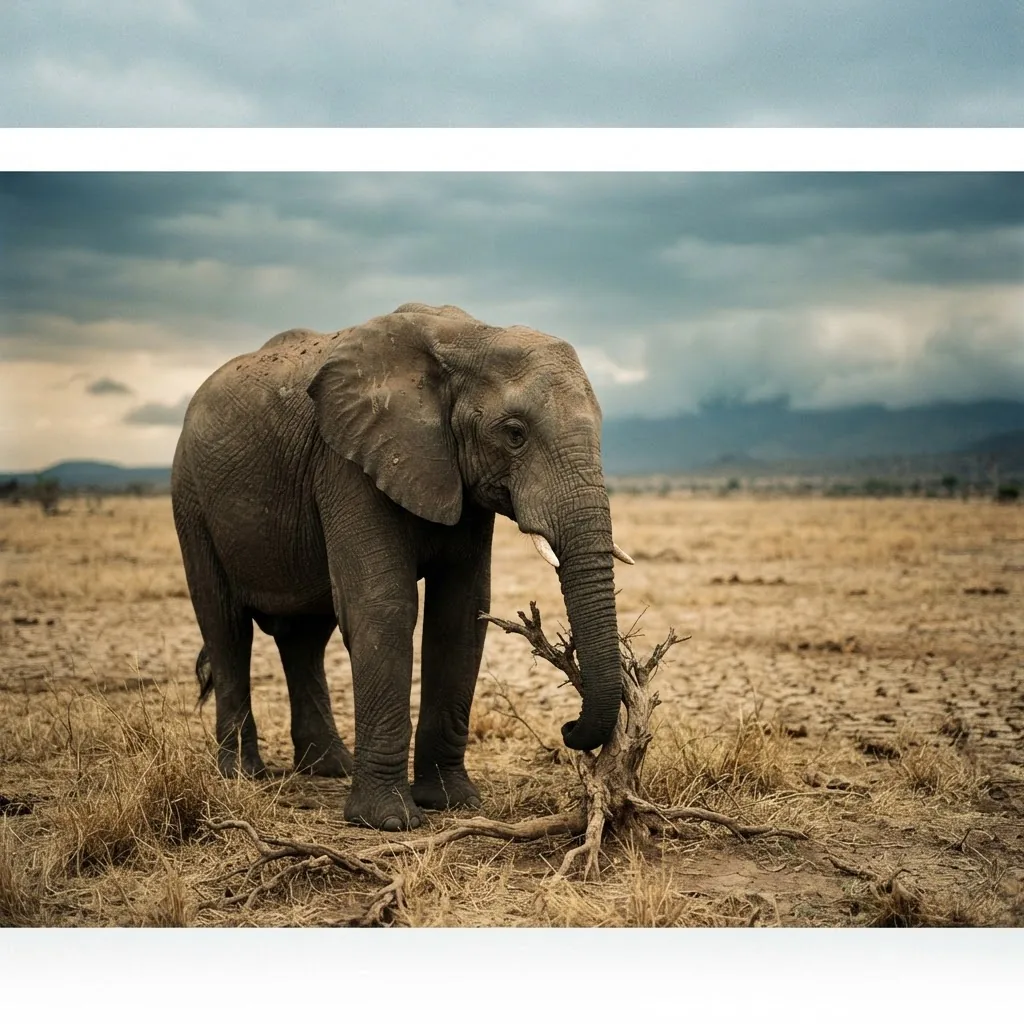
We often measure greatness by achievement.
We admire influence, wealth, knowledge and success. We celebrate those who leave a visible mark upon the world and assume that significance is found in the extraordinary. Yet the most transformative people in history often possessed another quality that received far less attention. They possessed a heart that was gentle.
Gentleness is frequently misunderstood as weakness. In a world that rewards assertiveness and celebrates strength, gentleness can appear passive or ineffective. Yet genuine gentleness requires remarkable strength. It is easy to respond to harshness with harshness. It is far more difficult to remain calm when provoked, patient when wronged and compassionate when others would choose anger.
True strength is not measured by how much force we can exert over others. It is measured by how much control we possess over ourselves.
One of the most beautiful qualities of the Prophet Muḥammad ﷺ was that his concern extended far beyond human beings. His mercy embraced the weak, the vulnerable and even the animals entrusted to people's care. He taught that compassion is not selective. It is not reserved for those who benefit us or those who resemble us. Mercy is a way of seeing the world, recognising that every living creature has been created by Allah and deserves to be treated with dignity and kindness.
This broad understanding of mercy challenges the way many of us think. We often divide life into matters that are important and matters that are insignificant. Yet the smallest acts frequently reveal the greatest truths about our character. The way we speak to a waiter, respond to a child, greet a neighbour or care for an animal says far more about us than the achievements we proudly display.
Character is revealed in moments when no applause is expected.
The remarkable thing about compassion is that it changes not only the one who receives it but also the one who gives it. Every act of kindness softens the heart. Every decision to forgive weakens resentment. Every moment of patience strengthens self-control. Mercy is not simply something we offer to the world; it is something that gradually reshapes the person offering it.
Perhaps this is why kindness should never be viewed as an occasional act. It is a habit to be cultivated. Like any habit, it becomes stronger through repetition. A gentle word today makes the next one easier tomorrow. A patient response to frustration slowly becomes part of our nature. Over time, kindness ceases to be something we consciously perform and instead becomes an expression of who we are.
This principle extends beyond our relationships with people. The way we interact with the natural world reflects the condition of our hearts. The food we eat, the resources we consume and the choices we make all carry consequences beyond ourselves. Gratitude should naturally lead to responsibility. When we recognise every blessing as a trust from Allah, we begin to ask not only what we are permitted to do, but what is most beautiful to do.
There is an important difference between asking, "Is this allowed?" and asking, "Is this the most excellent way to behave?" The first seeks the minimum standard. The second seeks excellence.
A heart that is alive is not satisfied with merely avoiding wrongdoing. It longs to increase in beauty. It seeks opportunities to show mercy, even when no one is watching. It looks for ways to ease another's burden, whether that burden belongs to a family member, a stranger or even an animal unable to speak for itself.
Modern society often speaks about rights, but less frequently about responsibilities. We readily discuss what we deserve, yet spend less time reflecting upon what we owe to others. A healthy community cannot be built upon rights alone. It flourishes when individuals willingly accept responsibility for one another. Compassion becomes the thread that binds relationships together, creating homes, neighbourhoods and societies in which people feel safe, valued and respected.
Gentleness also changes the way we respond to conflict. Anger may force compliance, but it rarely transforms hearts. Harshness may silence people for a moment, but it often leaves lasting wounds. Gentleness, however, possesses a quiet strength. It lowers defences, restores dignity and opens doors that force can never unlock. This is not weakness. It is wisdom.
Perhaps the greatest surprise is that the smallest acts of mercy may carry the greatest weight. A kind word offered at the right moment, a patient response instead of an angry one, a gentle hand where others would be rough, or concern for a creature unable to speak for itself may appear insignificant in the eyes of the world. Yet these are often the very moments that shape the heart and define the person we are becoming.
Greatness has never been measured by how much power we possess.
It is measured by how much mercy we carry within us.