
Learning to See Again
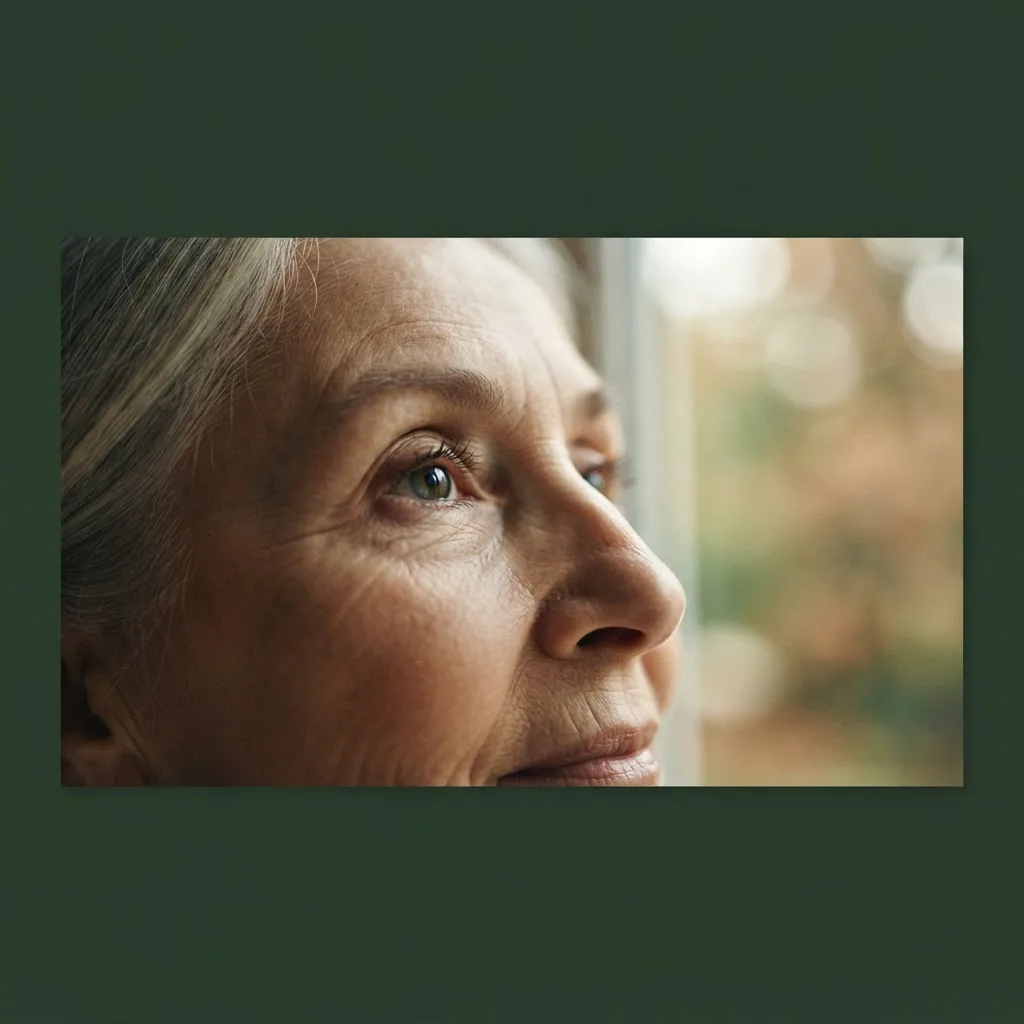
There is something curious about modern life. We have never been more connected, yet many people have never felt more alone. We have instant access to knowledge, entertainment and communication, yet our attention has become increasingly fragmented. We move quickly from one task to the next, filling every spare moment with notifications, emails or endless scrolling, rarely allowing ourselves the opportunity to simply observe the world around us. In our pursuit of efficiency, we may have forgotten one of the most fundamental human abilities: the ability to truly see.
To see is far more than to look. It is to notice. It is to become aware of the quiet details that often escape our attention. It is recognising the elderly gentleman who walks a little slower than he did last year, the child who instinctively reaches for their mother's hand, or the colleague whose cheerful smile hides weeks of exhaustion. These moments pass unnoticed by most of us, not because they lack significance, but because our minds are already occupied with what comes next. We have become physically present while mentally absent.
Perhaps this is one reason why so many people feel overwhelmed despite living lives of unprecedented convenience. The human mind was not designed to exist in a perpetual state of distraction. Every notification competes for our attention, every advertisement invites comparison and every spare moment becomes an opportunity to consume more information. Over time, the constant stimulation leaves little space for reflection, gratitude or wonder. We begin to mistake activity for purpose and busyness for productivity, even as our mental wellbeing quietly deteriorates.
There is a growing recognition within medicine that health is shaped by far more than biology alone. The environments we inhabit, the relationships we nurture, the quality of our sleep and the rhythms of our daily lives all influence our physical and emotional wellbeing. Yet there is another factor that is rarely discussed: the quality of our attention. A distracted life often leads to distracted eating, distracted conversations and distracted relationships. We rush through meals without tasting them, walk through nature without noticing it and speak with loved ones while simultaneously checking our phones. In doing so, we gradually lose our connection with the very experiences that nourish us.
Nature offers a gentle reminder that life unfolds according to rhythm rather than urgency. Trees do not rush to produce fruit, nor do the seasons compete with one another. Dawn arrives quietly each morning, inviting a fresh beginning, while evening encourages rest and reflection. Human beings are part of this same natural order, yet modern life often persuades us to live as though we are separate from it. We extend our days late into the night, replace conversation with screens and measure our worth by productivity rather than presence. The result is a way of living that feels increasingly out of step with the needs of both body and mind.
The same principle applies to the way we see other people. Every individual we encounter carries a story that remains largely invisible to those around them. The person serving coffee may have spent the night caring for a sick relative. The driver who appears impatient may be rushing to visit a loved one in hospital. The quiet neighbour may simply be longing for someone to ask how they are. When we slow down enough to notice others, compassion begins to replace judgement. We stop seeing strangers and begin seeing fellow travellers, each carrying burdens that are often hidden from view.
This change in perspective has profound implications for our own wellbeing. People who cultivate gratitude, meaningful relationships and moments of stillness consistently report greater life satisfaction than those who chase constant stimulation. Presence has a way of calming the nervous system because it anchors us in reality rather than in endless anticipation or regret. Anxiety often lives in the future, while resentment frequently lives in the past. Peace is usually found in the present moment.
Perhaps true health begins with learning to pay attention again. Not only to our symptoms or our fitness goals, but to the ordinary beauty woven throughout everyday life. To notice the changing colours of the sky, the laughter of children, the kindness of strangers and the privilege of another ordinary day. These are not distractions from life; they are life itself.
At The Reality of Health & Wellbeing, we believe that flourishing is not achieved simply by adding more habits, more supplements or more information. It begins with recovering a way of seeing that modern life has gradually eroded. When we become fully present, we make wiser decisions, build deeper relationships and experience a richer sense of purpose. We discover that wellbeing is not found by constantly searching for something new, but by learning to appreciate what has been quietly before us all along.
The challenge is not to fill every moment, but to inhabit every moment. In a culture that rewards speed, choosing to slow down may feel unfamiliar. Yet it is often in those unhurried moments that we rediscover clarity, gratitude and the quiet awareness that health is about much more than the absence of disease. It is about living awake to the gift of being alive.